Gender Equality, Disability and Social Inclusion (GEDSI)
Advancing gender equality, disability inclusion and social inclusion is fundamental to achieving health equity and ending HIV transmission.
Health Equity Matters recognises that HIV disproportionately affects people who experience stigma, discrimination and exclusion, including women, transgender and gender diverse people, people with disability, and other marginalised communities. Addressing these structural barriers is essential to ensuring equitable access to HIV prevention, testing, treatment and care.
We integrate GEDSI considerations across all stages of program design, implementation and evaluation. Our work supports the meaningful participation of people living with HIV and key populations in shaping the policies and programs that affect their lives. Guided by the principle of “Nothing About Us Without Us”, we prioritise the leadership of affected communities and support initiatives that challenge stigma, discrimination and harmful social norms.
In practice, this includes strengthening the leadership of community organisations representing marginalised populations, improving the accessibility of services, and working with governments and partners to address legal and policy barriers that limit access to healthcare.
Read a story about incorporating GEDSI in Papua New Guinea’s HIV response here.
Examples from our work
- Bhutan: Supporting community organisations such as Pride Bhutan to promote awareness and uptake of pre-exposure prophylaxis (PrEP) among men who have sex with men, transgender people and sex workers as part of a more inclusive HIV prevention strategy.
- Bhutan: Supporting a community-informed roadmap for sex worker coalition building, developed through bottom-up consultation with female sex workers to strengthen leadership, representation and access to services.
- Malaysia: Working with Malaysian key population led organisations to strengthen national policy responses and protections for people who use drugs.
- Sri Lanka: Supporting community-informed responses to emerging chemsex-related health risks among gay men, other men who have sex with men, transgender women and people who use drugs, helping improve access to inclusive and non-judgmental services.
- Pacific region: Supporting transgender-led and community-led organisations to deliver peer outreach, advocacy and leadership within national HIV responses.
- Regional programs: Supporting community-led monitoring systems that enable key populations to document barriers to HIV services and advocate for improvements in service quality and accessibility.
Images
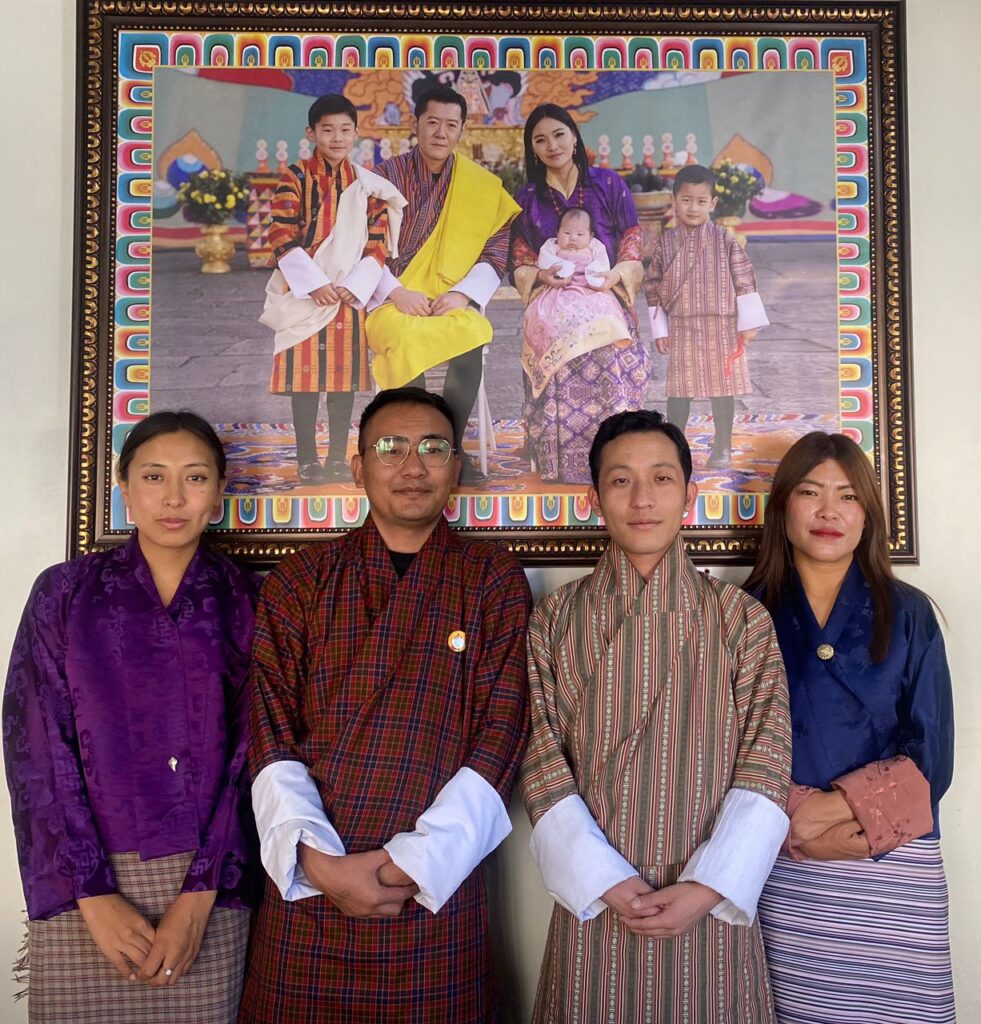
The team from Pride Bhutan, a community-led organisation that is promoting awareness and uptake of PrEP

Strengthening the networks of Fijian LGBTQ+ CSOs and networks to play a stronger role in the HIV response
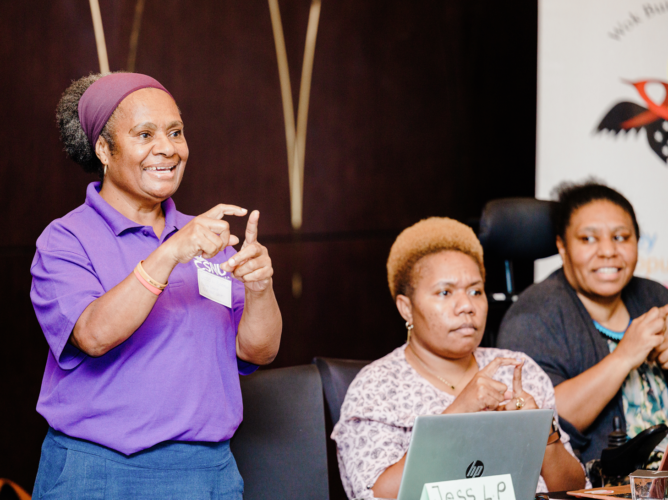
Supporting our PNG partners in the community-led HIV response to develop stronger collaboration & networks with organisations of people with disabilities (OPDs) and disability service providers
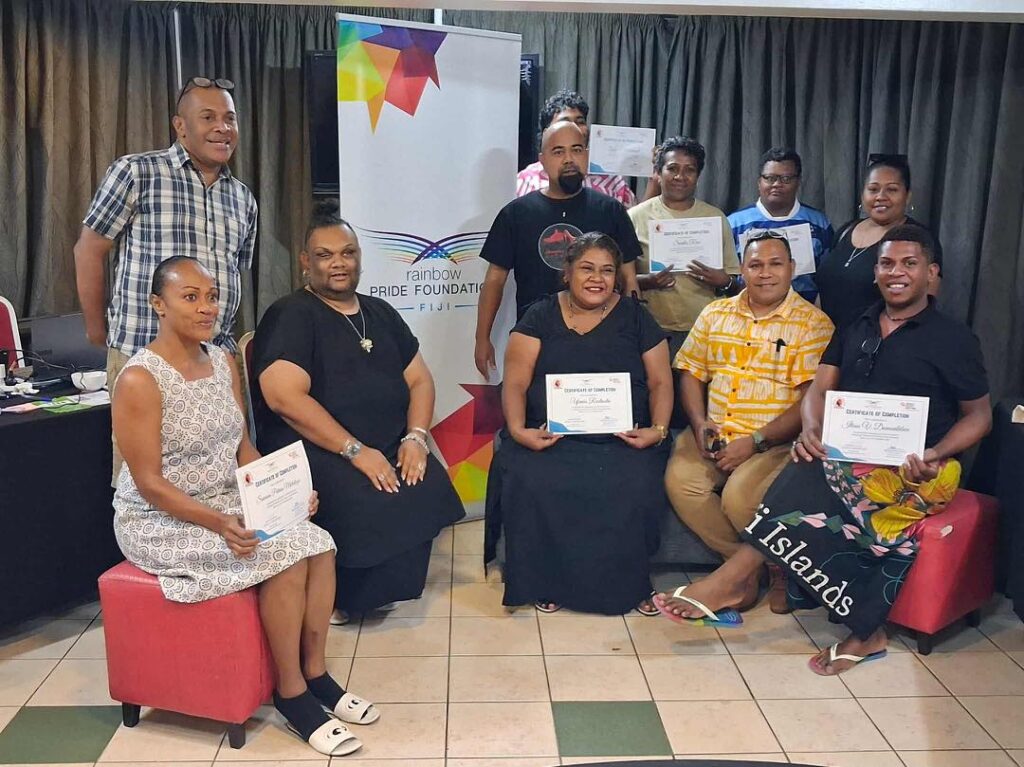
Newly trained cohort of peer-led outreach leadership in Fiji – representing key population communities


Access our corporate polices
Our corporate policies demonstrate our organisation’s commitment to upholding the highest ethical standards and fostering a diverse and safe work environment for all our employees, partners and communities.